
Piles, Hernia or Gallstones? When You Need a General Surgeon in Silchar
Many people in Silchar live with piles, a hernia or gallstone pain for years because they fear surgery. Often a simple consultation shows the problem can be treated easily. Here is when to see a general surgeon.

"Surgeon" sounds serious, so many people delay the visit. But a consultation with a general surgeon in Silchar does not mean you will need an operation. Many problems are treated with medicines, diet changes or small day-care procedures, and early treatment is usually simpler.
Common problems a general surgeon treats
- Piles (haemorrhoids) – bleeding during stools, a swelling at the anus, discomfort while sitting.
- Fissure and fistula – sharp pain during stools, or a discharging opening near the anus.
- Hernia – a bulge in the groin or near the navel that grows on coughing or lifting.
- Gallbladder stones – pain in the upper right abdomen, often after oily food.
- Appendicitis – pain that starts around the navel and moves to the lower right abdomen, with fever or vomiting.
- Lumps and cysts – swellings under the skin, in the breast or neck.
- Abscesses and wounds that are not healing, including diabetic foot problems.
When to go immediately
Go to a hospital emergency, or call 108, for sudden severe abdominal pain, a hernia that becomes painful and cannot be pushed back, heavy bleeding, or vomiting with a swollen abdomen. These can be emergencies.
What happens at the consultation
The surgeon asks about your symptoms, examines the area and may suggest an ultrasound or blood tests. Many conditions today can be treated by laparoscopic (keyhole) surgery, with smaller cuts and a faster return to work. Ask your surgeon whether it suits you.
Questions to ask
- Do I need surgery now, or can we try other treatment first?
- Is laparoscopic surgery possible for me?
- How many days in hospital, and how long before I can work?
- What will the total cost be, including tests and hospital stay?
General surgeons in Silchar you can book online:
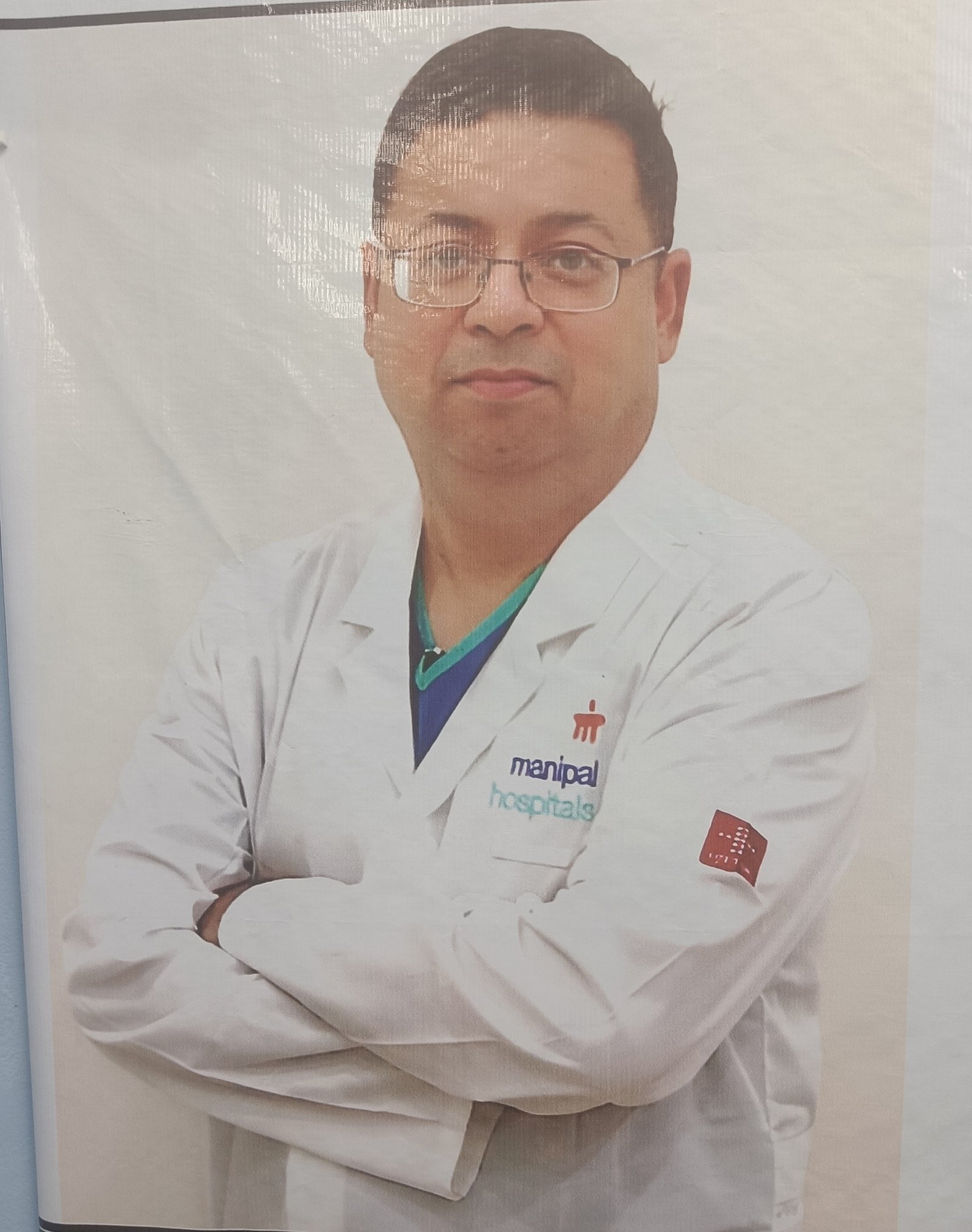 Dr. Aritra GhoshMBBS,DNB · Cachar₹800fee from
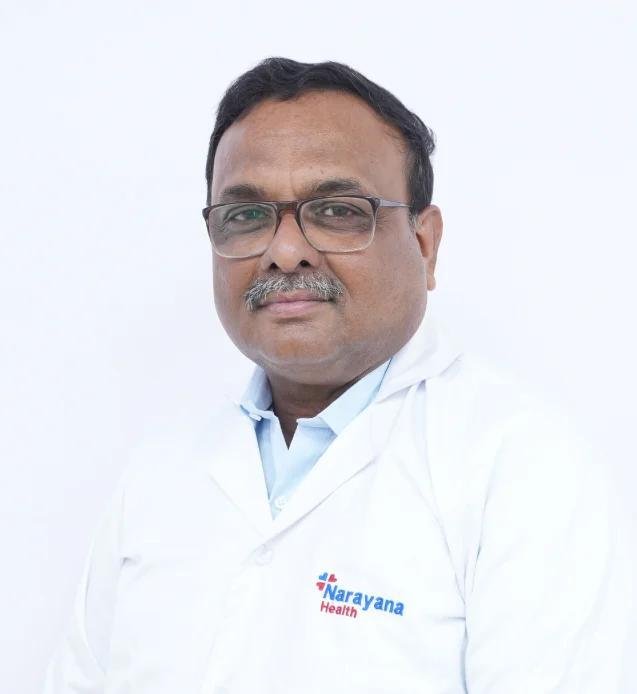 Dr. Nilanjan PaulMBBS (SMCH) MS, GENERAL SURGERY, (AMCH) · Cachar₹500fee from
Dr. Mustafitur Rahman Barbhuiya MBBS, MS. · Cachar₹500fee from
 Dr. Ratnadip BoseMBBS, MS · Cachar₹900fee from
 Dr.Resha AkhtarMBBS,MS,FMAS · Cachar₹500fee from
Dr. Asik Ikbal MazumderMBBS, MS · Cachar₹500fee from
Living with piles: what helps
Early piles often improve with simple changes:
- Eat more fibre: vegetables, fruit, dal and whole grains.
- Drink enough water through the day.
- Do not strain or sit on the toilet for long.
- Warm-water sitz baths can ease pain and swelling.
Do not assume all bleeding is piles. Bleeding from the back passage, especially in people over 40 or with a change in bowel habit or weight loss, should always be examined by a doctor to rule out other causes.
Hernia: why not to wait too long
A hernia does not go away on its own. It may stay small for years, but it can grow, and occasionally a loop of intestine gets trapped, which is an emergency. Most hernias are repaired with a planned operation, often with a mesh, and many patients go home within a day or two. Planning the repair before it becomes painful is usually safer and simpler.
Gallbladder stones
Gallstones are often found on an ultrasound done for another reason. Stones that cause no symptoms may not need treatment; your surgeon will advise. Stones that cause repeated pain are usually treated by removing the gallbladder, most often by laparoscopic surgery. People live normally without a gallbladder.
Preparing for surgery
- Bring all reports and tell the surgeon about every medicine you take, especially blood thinners and diabetes medicines.
- Ask about the tests needed before surgery (blood tests, ECG, sometimes a chest X-ray).
- Ask when to stop eating and drinking before the operation.
- Arrange someone to stay with you after discharge for a day or two.
After the operation
Follow the wound-care instructions, take medicines as prescribed and attend the follow-up visit. Contact the surgeon for fever, increasing pain, redness or discharge from the wound.
Questions patients in Silchar often ask a general surgeon
Can piles come back after treatment?
They can, especially if constipation and straining continue. A high-fibre diet, enough water and good toilet habits reduce the chance.
How long will I be off work after hernia surgery?
It depends on the type of surgery and your job. Many people return to desk work within a week or two; heavy lifting takes longer. Your surgeon will guide you.
Can I eat normally without a gallbladder?
Yes. Most people eat normally after recovery. Some find very oily meals uncomfortable for a while.
Is general anaesthesia risky?
For most healthy people it is very safe. Before surgery you will be checked by the anaesthetist, who will ask about your health and medicines.
Should I get a second opinion?
For planned operations it is reasonable to ask another surgeon, especially for major surgery. Take all your reports with you.
Key takeaways
- Seeing a general surgeon in Silchar does not always mean an operation.
- Early piles often improve with fibre, water and good toilet habits.
- A hernia does not heal on its own; planned repair is safer than emergency surgery.
- Gallstones that cause repeated pain are usually treated by keyhole surgery.
- Sudden severe abdominal pain or a painful hernia that cannot be pushed back is an emergency.
- Ask about keyhole options, recovery time and total cost before deciding.
See every general surgeon in Silchar with chambers, sitting days and fees.
Frequently Asked Questions
Does seeing a general surgeon mean I need an operation?
No. Many conditions such as early piles or fissures are treated with medicines and diet. The surgeon will explain your options.
Is piles treatment painful?
Treatment depends on the stage. Many options today are minimally invasive; ask your surgeon which suits you.
Can I book a general surgeon online in Silchar?
Yes. DrSetu lists verified general surgeons in Silchar and you can book a token online.
This post is general information, not a diagnosis or treatment. Please consult a doctor about your own symptoms. In an emergency call 108. Medical disclaimer.